
Category: News

Expert Tips | How to Install Garage Door Springs

Imagine coming home after a long day, only to find your garage door refusing to budge. With garage door springs being the backbone of the lifting system, a broken spring can turn into a significant inconvenience, not to mention a safety hazard.

Considering the weight of garage doors, the risk of severe injuries or even death from accidents is real.

Over 30,000 people suffer injuries each year due to garage door mishaps. This highlights the importance of knowing how to install new garage door springs or calling someone who does. It is crucial to understand the mechanics behind your garage door opener and the springs that aid it.

In this blog, we’ll guide you through the steps on how to install garage door springs effectively, touching on everything from the winding cone to the stationary cone, and the center bracket.

What Are Garage Door Springs?

Garage door springs play a pivotal role in the smooth operation of your garage door. Acting as a counterbalance, they help lift and lower the door easily. Without them, the door, which can weigh upwards of 400 lbs, would be nearly impossible to move manually.

Over time, lifting and lowering the door can cause these springs to wear down or break, indicated by a broken spring or issues with the garage door opener not functioning correctly.

Common signs of garage door spring breakdown:

  • A door that suddenly feels heavier or is difficult to open
  • Loud noises such as snapping or creaking when the door moves
  • Visible gaps in the springs or winding cone
  • The garage door opener straining more than usual to lift the door

Garage door springs are crucial for the smooth and safe operation of your garage door, yet surprisingly, around 10% of garage doors have the incorrect springs.

Choosing the ideal springs isn’t just about replacement; it requires special knowledge about how these components work with the garage door opener and the door itself.

There are two main types of springs:

1. Torsion Springs

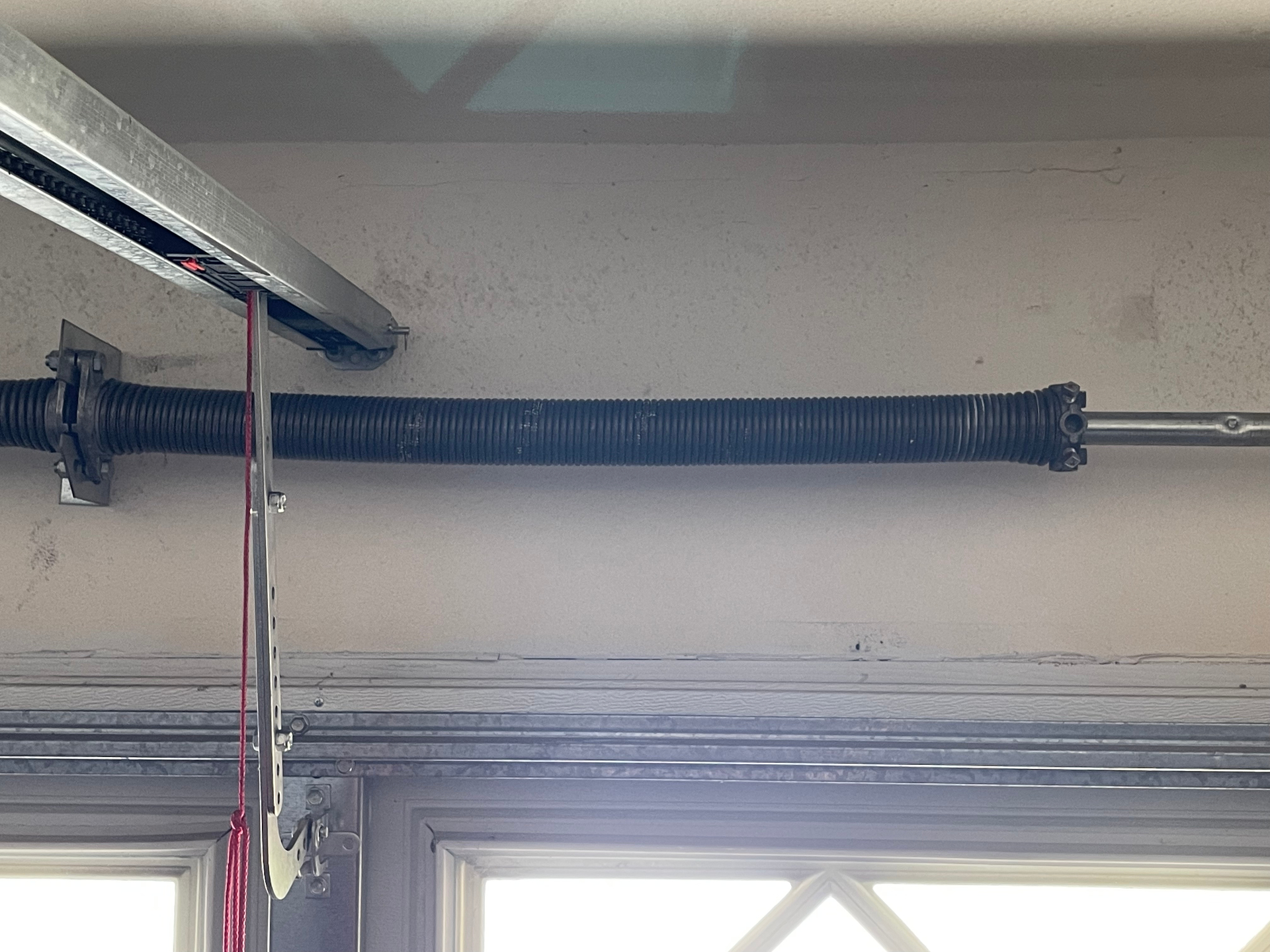
Mounted on a torsion shaft directly above the garage door, torsion springs are pivotal in managing the door’s weight as it opens and closes. Using torque, they efficiently lift heavy doors, making them an ideal choice for double garage doors or solid wood doors that require extra strength.

Their design allows a balanced weight distribution, leading to smoother operation and reduced strain on the garage door opener. Torsion springs boast a longer lifespan, often handling 15,000 to 20,000 cycles.

2. Extension Springs

Positioned above the horizontal tracks on each side of the door, extension springs extend and contract, providing the force necessary to lift the door. These springs are more frequently seen in residential garages and are best suited for lighter, single-car doors.

Unlike torsion springs, extension springs operate independently on each side of the door, which can sometimes lead to uneven lifting and increased wear over time. To mitigate the risk of injury from a broken spring, it’s crucial to install safety cables that run through the center of the springs.

Installing torsion springs versus extension springs presents different challenges. Many homeowners face difficulties due to a lack of knowledge of safety procedures and the correct tools, like the stationary cone and center bracket, essential for a safe DIY installation.

[us_image image=”582″]

Risks Associated with DIY Installation of Garage Door Springs

Replacing or installing garage door springs can be a hazardous task, especially when dealing with a broken spring. The tension involved in torsion springs and extension springs is immense, making the process fraught with potential for injury.

For those considering the DIY route, it’s crucial to understand the high stakes involved. Winding bars and winding cones must be handled with extreme caution, as a small mistake can result in serious injury.

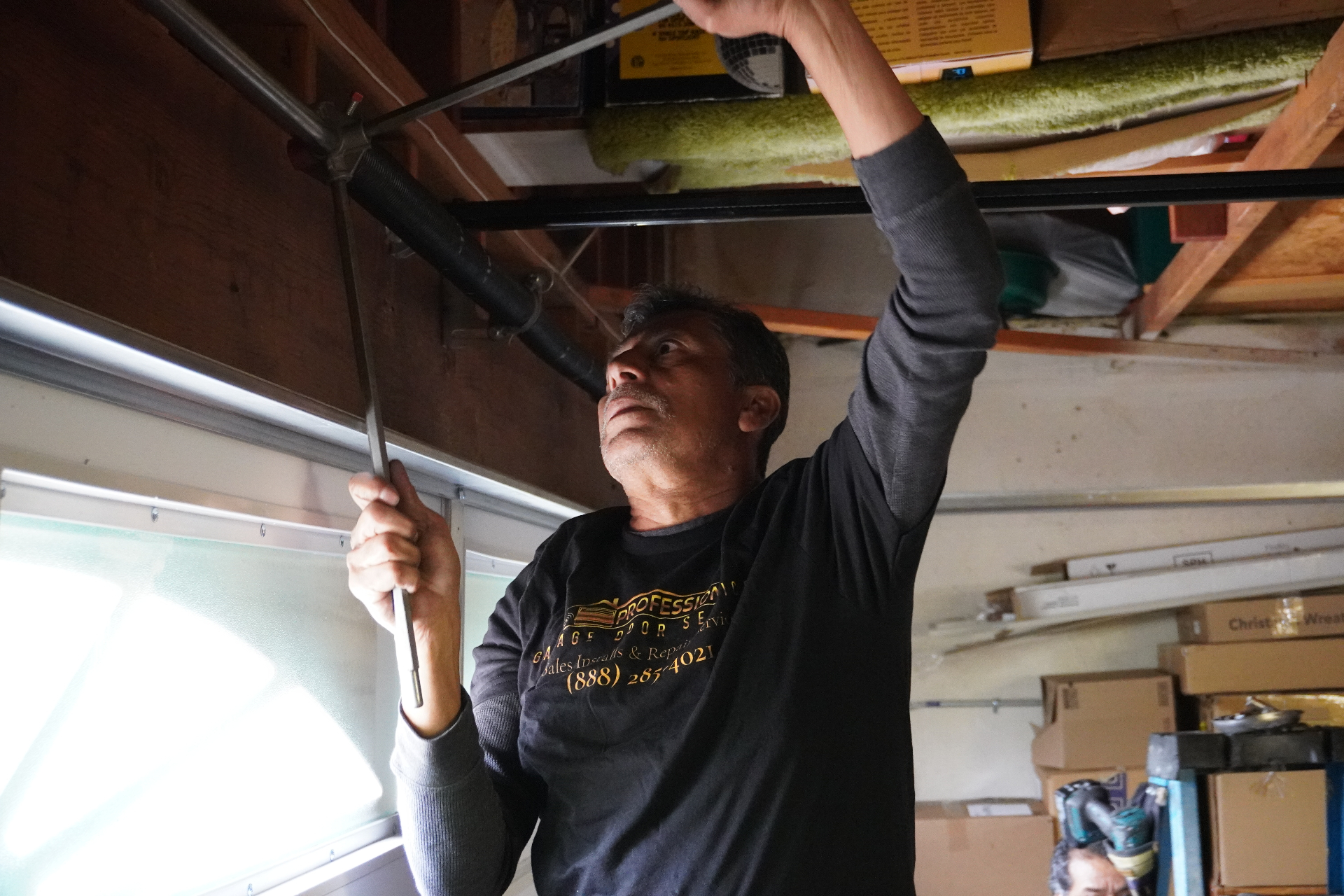
Considering the risks, hiring professional services from Professional Garage Door Services not only ensures increased safety but also guarantees your garage door’s lifespan.

Dangers of Replacing Any Spring:

  • The force required to install or replace springs can cause severe injuries if not handled correctly
  • Incorrectly installed springs can lead to malfunctioning doors, posing a risk every time the door opens and closes.
  • Without the proper knowledge of how to use winding bars and torsion shafts, there’s a significant risk of accidents
  • A spring snapping can result in physical harm and damage to property

Safety Considerations:

  • Ensure you have the correct winding bar and other necessary tools specific to the job
  • Always disconnect the garage door opener to prevent accidental activation while working
  • Before starting, inspect all parts, including the stationary cone and center bracket, for signs of wear or damage
  • If at any point the task feels overwhelming, seeking professional assistance is the best course of action

How to Install Garage Door Springs Effectively

Learning how to install garage door springs can save you time and money. Here we will walk you through the essential steps, to ensure your garage door opener works smoothly and safely:

[us_image image=”584″]

1. Identify and Measure Your Old Springs

When preparing to replace your garage door springs, it’s essential to first identify whether you’re working with torsion springs or extension springs. For torsion springs, measure the spring’s length, its inside diameter (usually 1 3/4 or 2 inches), and the wire gauge by dividing the length of 20 coils by twenty.

Color coding can also guide you; torsion springs may have unique markings, while extension springs use a color pattern to indicate weight capacity. Always disconnect the garage door opener and wear protective gear to ensure safety.

Tips:

  • Consult with the spring manufacturer or garage door manufacturer for the exact replacement product and installation guidance
  • Companies design torsion springs and extension springs for specific weights and sizes of doors. Using the correct spring ensures balanced and safe operation.
  • Remember, precision in measurement and identification is key to selecting the right spring and ensuring a smooth installation process

2. Prepare Your Tools and Materials, including Safety Gear

Before tackling the task of how to install garage door spring, ensure you have all the necessary tools and safety gear at hand. Essential items include a pair of 10″ vise grips, an adjustable wrench, and two 1/2″ X 18″ winding bars—vital for safely handling the torsion springs.

Most hardware stores offer 1/2″ X 36″ steel rods, perfect for cutting in half to use as winding bars. Additionally, equip yourself with C-clamps, a stepladder, work gloves, a ruler, and a file for precise adjustments. A socket wrench set can significantly speed up the process.

Proper lighting in your garage is crucial to ensure a safe working environment.

3. Begin Disconnecting Old Springs and Garage Door Opener

Start by securing the door to prevent it from moving. Attach a locking pliers or a C-clamp above one of the rollers on the track. This step prevents the door from unexpectedly opening and causing injury. Ensure the garage door opener is not connected for safety.

For torsion springs, use a winding bar for safe loosening. Insert the bar into the winding cone of the intact spring, and carefully loosen the set screws. Brace yourself for the spring’s force as you do this. If working with extension springs, open the garage door fully to relieve tension.

Prop the door securely, and mark the pulley’s position for accurate reinstallation. Detach the spring from the track bracket and spring pulley, handling the safety cable with care.

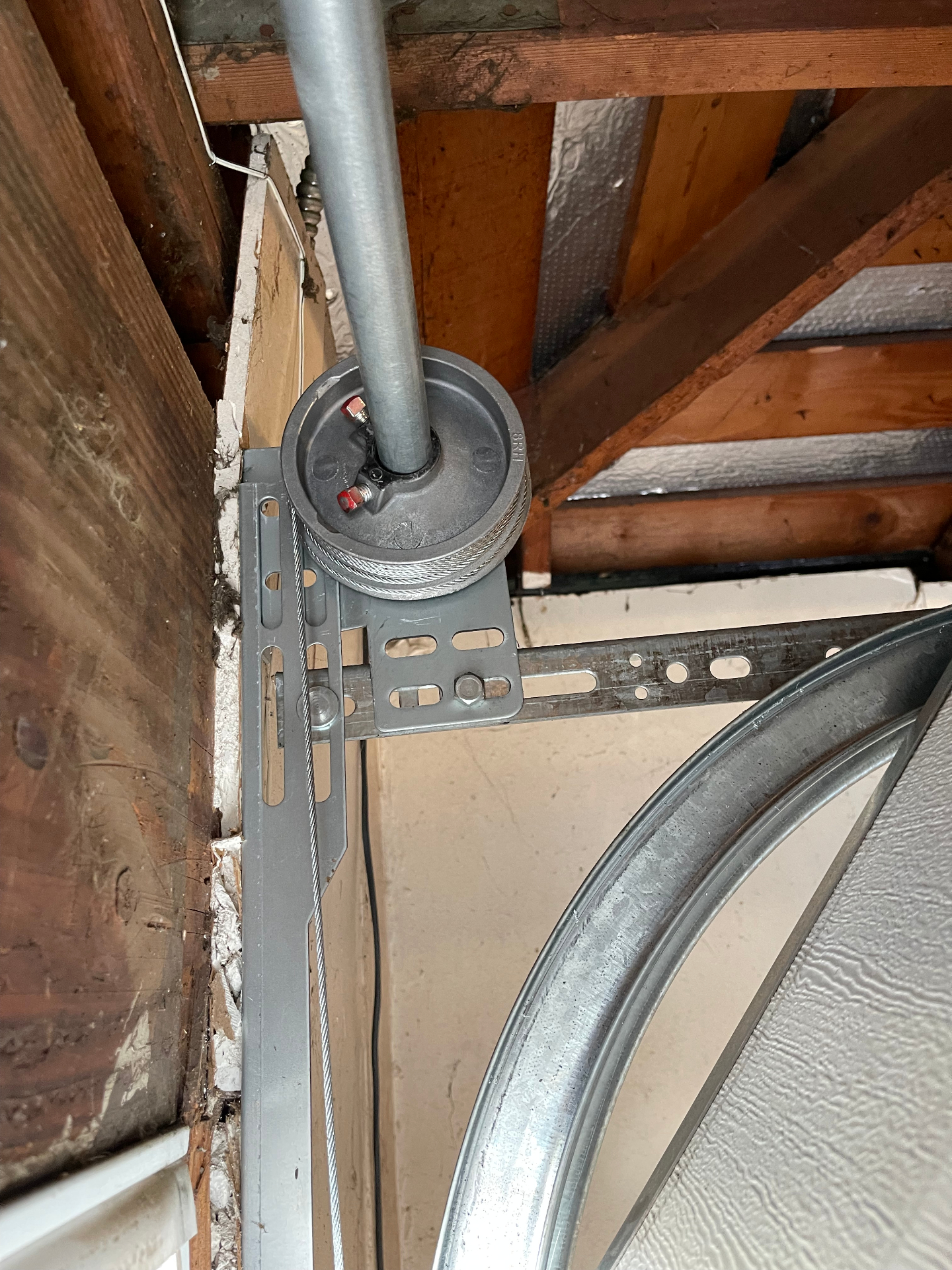
To remove the torsion springs, stabilize the torsion tube with locking pliers on the center bracket. Loosen the set screws on the lift cable drums to disconnect the cables.

4. Install the New Cable and Springs

Installing the new garage door springs begins with threading the safety cable through the spring, and securely attaching it to the track bracket. Identifying the wind direction of each spring is crucial. This ensures that doors with two springs have both a left- and a right-hand spring for balanced operation.

Next, slide the replacement torsion spring onto the torsion shaft, making sure the stationary cone faces the center bracket. Reattach the cable drum, carefully aligning the garage door wire.

Reinsert the torsion shaft into the bearing bracket on the left side, preparing for the final steps of installation.

Adherence to these guidelines is essential to ensure that everything from the winding cone to the torsion springs is correctly positioned and secured.

5. Reconnect the Safety Cable and Pulley

Once the new garage door springs are in place, it’s time to reattach the safety cable and pulley, a key step in how to install garage door springs and cables. Ensure the wire from the pulley does not interfere with the safety cable, maintaining clear separation for smooth operation.

Refer back to the tape marking you made earlier to confirm the pulley is at the correct location. This careful attention to detail is crucial to ensure that everything from the garage door opener to the torsion springs works in harmony.

6. Test the Door

After installing the new garage door springs, it’s crucial to ensure everything operates smoothly. Stand back and use the garage door opener to test the door. Watch as it lifts and lowers, making any necessary adjustments until the movement is smooth and balanced.

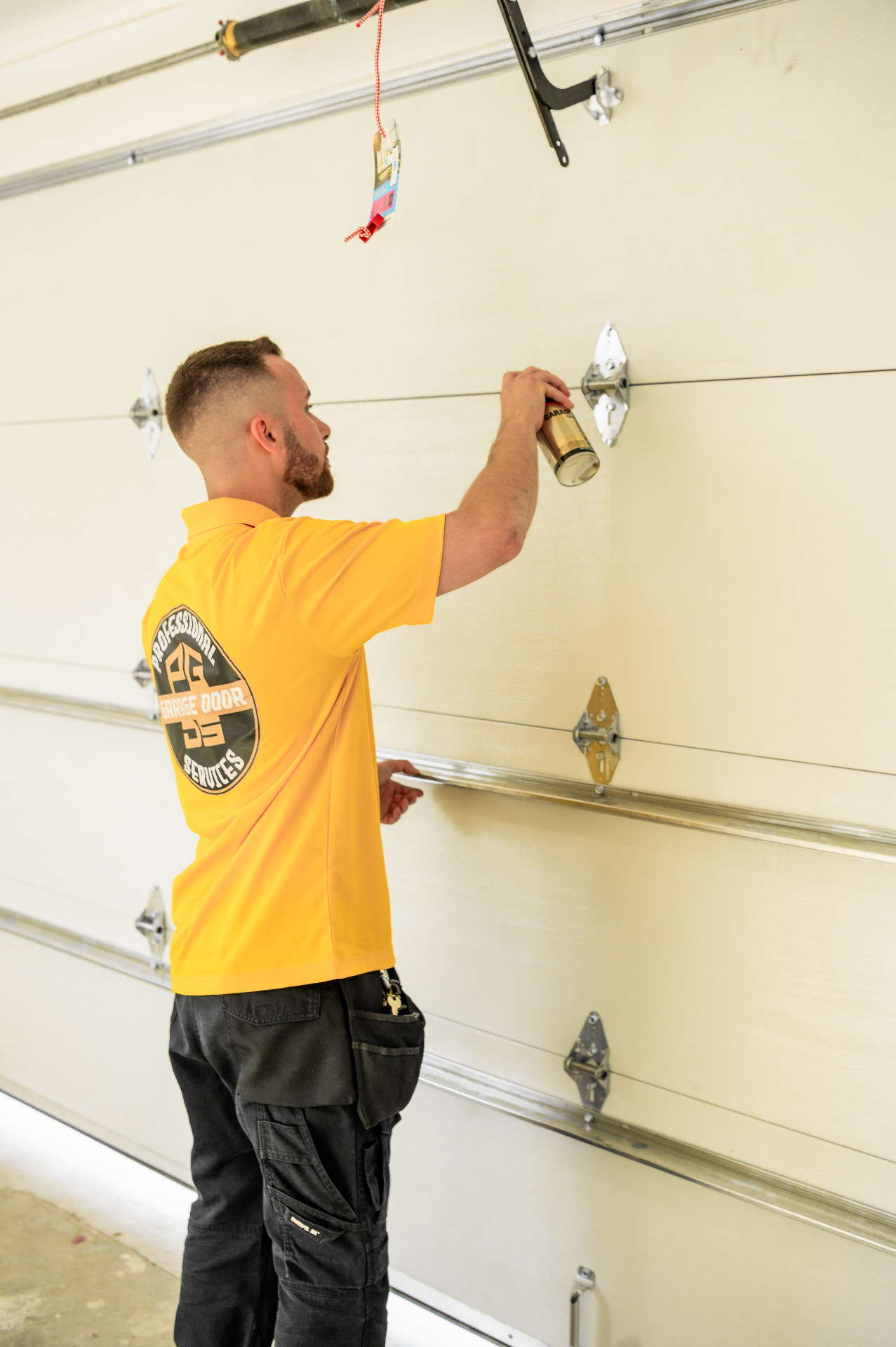
Next, apply a quality garage door spray lubricant to the springs. This not only ensures their longevity but also contributes to a quieter, smoother operation. Pay special attention to the winding cone and torsion shaft.

Consider Hiring A Professional for Spring Installation

Installing garage door springs can be complex and risky without the right knowledge and tools. Many guides either lack detail or have too much information, leaving room for mistakes.

Professional services offer expertise, ensuring garage door torsion spring installations happen safely and efficiently.

If you’re considering how to install garage door extension springs and cables for the first time, it’s wise to consult with experts.

For top-notch service, check out our client’s offerings in garage door repair and spring replacement in Los Angeles, where safety and quality are a priority.

Experience Hassle-Free Garage Door Installation in Los Angeles

In this guide, we’ve explored the intricacies of how to install garage door springs, from selecting the right torsion springs to the precise use of winding bars. The process, while doable, carries risks and complexities best handled by professionals.

For those in Los Angeles seeking a hassle-free experience and peace of mind, professional installation is the way to go. Avoid the worry of a broken spring or incorrect installation by choosing experts who ensure safety and efficiency.

Considering a professional for your garage door opener and spring needs?

Visit Professional Garage Door Services to request a quote. Learn more about our specialized garage door repair and spring replacement in Los Angeles here, and see what our satisfied customers have to say by checking our testimonials.

Trust us to keep your garage door functioning smoothly and safely.

[us_image image=”583″]

FAQs About How to Install Garage Door Springs

Can you install a garage door spring yourself?

Yes, with the right tools like winding bars and knowledge of garage door springs, a skilled DIYer can tackle this task. However, considering the risks, consulting a professional is often recommended.

Which way does a garage door spring go?

The direction of a garage door torsion spring depends on its end pointing up; right-hand wind for the right side and left-hand wind for the left, ensuring balanced operation.

How do you know how much tension to put on a garage door spring?

Applying tension to a torsion spring requires careful adjustments using a winding bar. The goal is smooth and balanced lifting, typically requiring ¼ to ½ turns after the door feels supported.

How does spring attach to the garage door?

Torsion springs attach via the torsion shaft, secured by the center bracket and stationary cone. Extension springs connect to cables and pulleys, working alongside the garage door opener.

How tight should garage door springs be?

The springs should be tight enough to lift the door without strain. For torsion springs, this means precise tensioning to ensure the door opens smoothly and stays in place when opened halfway.

How Do You Program A Garage Door Opener Remote

Controlling your garage door opener with a simple press on the remote or a tap on your smartphone brings unmatched convenience and security to your doorstep. The challenge, however, lies in the programming process.

Whether due to a misplaced remote control, the addition of a new garage door opener remote, or upgrading your home’s security, understanding the programming of your opener is crucial. With garage doors in use over 1,500 times annually and considering the safety implications, precision in programming is a top priority.

This blog will guide you through how do you program a garage door opener remote, securing your vehicle and home effectively.

Understanding Why Garage Door Openers Need Programming

Since 1993, most garage door openers have adopted a uniform, straightforward method for programming or resetting, simplifying the process for homeowners. Garage door openers and garage door remotes work together through a synchronized code that ensures your garage opens and closes at your command.

But how do you know it’s time to reprogram? If your garage door opener responds sluggishly or not at all, or if you’re concerned about unauthorized access, it’s time to update your codes. Reprogramming your opener enhances security by preventing old codes from falling into the wrong hands.

Whether you’re setting up a 4-button garage door remote programming or adjusting the garage door keypad, it’s about keeping your home safe.

For detailed steps on how to program garage door opener remotes, visit Professional Garage Door Services for expert advice and support from garage door professionals.

[us_image image=”597″]

Why Garage Door Remotes and Openers Should Have The Same Brand

Matching your garage door opener with a garage door remote of the same brand is more than a matter of convenience; it’s a necessity for optimal performance. These devices communicate through specific frequencies and protocols, unique to each brand, ensuring a smooth and secure operation.

It’s essential to start by identifying the brand of your opener and remote to guarantee compatibility. The most common brands of garage door openers are:

LiftMaster Garage Door Openers

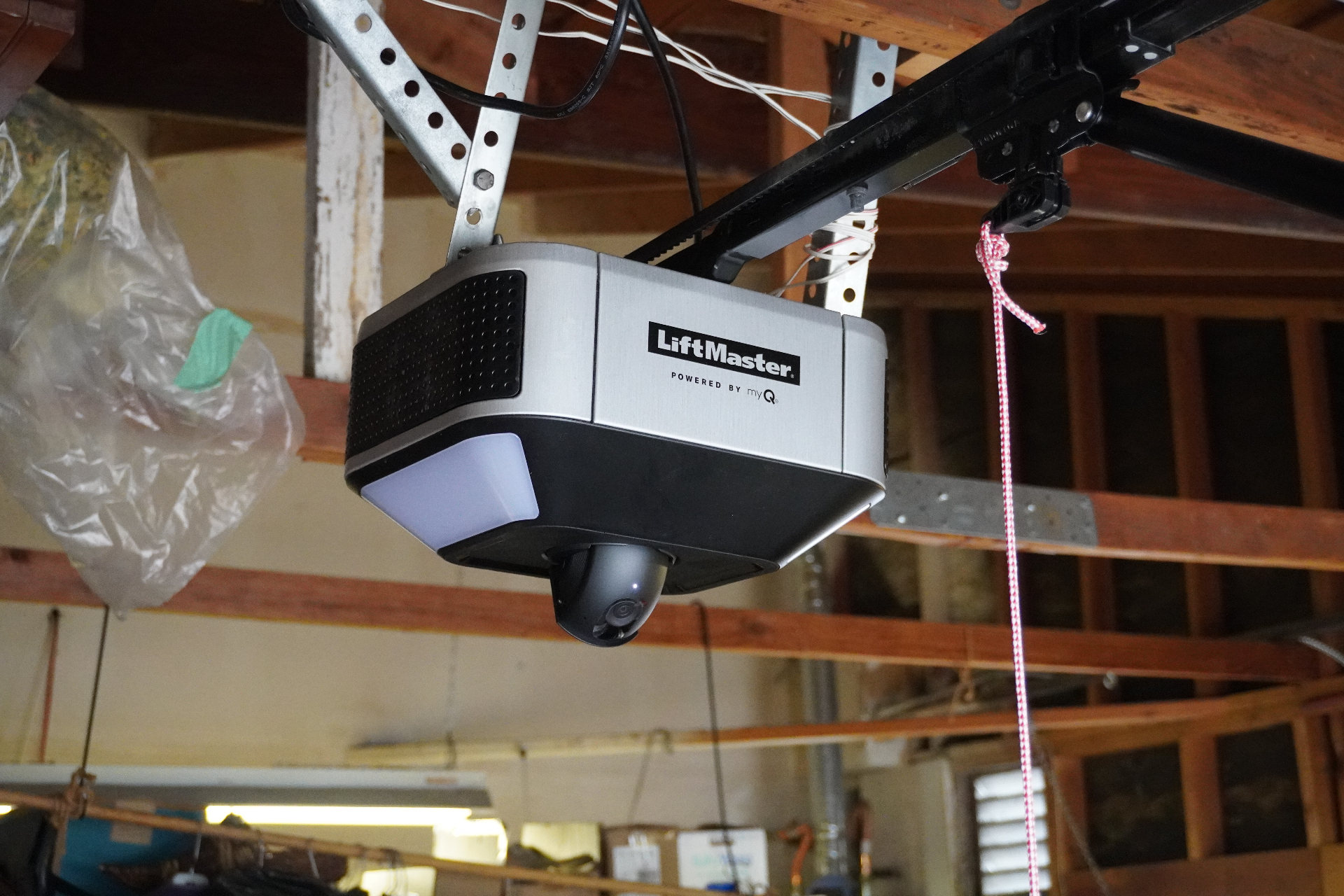
LiftMaster Garage Door Openers excel with their top-notch security and connectivity. They’re built on reliability, incorporating advanced technology for your home’s safety and convenience.

Key features include Security+ 2.0 rolling code technology for enhanced security, MyQ technology for smartphone control and real-time alerts, and a battery backup to keep your opener functional during power outages.

Genie Garage Door Openers

Another ideal option is Genie Garage Door Openers, known for silent operation and enhanced security. They feature Intellicode technology that changes access codes to prevent unauthorized entry, Aladdin Connect for smartphone control, and a Direct Drive Screw system for quieter performance.

This makes them perfect for homes with living areas close to the garage, offering innovative, user-friendly solutions for daily use.

Both brands bring something unique to the table. LiftMaster excels in innovative security features and connectivity, while Genie stands out for its quiet operation and user-friendly security enhancements. Identifying your brand and following its specific programming instructions ensures that your garage door opener and remote control work in harmony.

[us_image image=”114″]

Steps to Programming Your Garage Door Opener

Understanding the process of programming garage door openers is key for homeowners. Here is the comprehensive brief for how to program a garage door opener remote, ensuring seamless operation and peace of mind:

1. Locate the “Learn” Button

Kickstarting the programming process for your garage door opener begins with a crucial step: locating the Learn button. Often hidden behind the light cover on the overhead motor unit, this button is your security gateway. A simple press and hold for six seconds clears any old codes, making room for a new beginning.

Whether it’s the flash of the garage door opener light or the click that signals readiness, you’re set to enter a new era of access with your garage door remote. This step lays the foundation for a secure, responsive setup, ensuring your garage door openers and remotes work in perfect harmony.

2. Choose A New Code

The heart of securing your garage lies in setting a unique code that guards against unauthorized access. After clearing the old settings, the next step in how do you program a garage door opener remote involves a creative twist: crafting your new code.

Peek at the back of the garage door opener’s motor unit, where a series of numbered switches await your command. With a strategic press, top or bottom, forge a random sequence that resonates with you. This randomness is your shield, ensuring that your garage door openers and remotes share a secret handshake, invisible to outsiders.

3. Program Your Remote and Link It With Your Opener

With your new code chosen, it’s time to bring your garage door remote into the fold. Initiate this crucial phase by pressing the Learn button on your opener, and watching as the LED indicator springs to life.

This beacon of readiness gives you a 30-second window to establish a connection. Press and hold your remote’s button until the garage door opener light signals success with a flash or a click for those without a light.

For those using a garage door keypad, the process mirrors the remote’s. After hitting the Learn button, dash to your keypad and enter your chosen 4-digit code, then press Enter. The blink of the light is your green light; your keypad is now in tune with your opener.

4. Test Everything and Finish the Process

The final step in programming your garage door opener involves a crucial test. With your garage door remote and keypad now aligned with the opener, it’s essential to ensure seamless operation.

Hit the open button on your remote or input your new keypad code. Look for the garage door opener light to confirm the command, a clear sign of success. Give the system a brief moment to acknowledge this new connection.

Can You Link Cars and Other Devices to Openers?

Garage door openers have evolved significantly, now offering multiple convenient ways to control access. For those wondering how to program a garage door remote from another remote, this advancement simplifies the process, allowing seamless integration of multiple devices.

You can use your car’s built-in system, like HomeLink, by pressing a button to sync with your garage door. Key fob remotes offer a handy, portable option, while smartphone apps let you open, close, and monitor your door remotely.

For a more traditional approach, wired wall switches inside your garage act as reliable controls. Additionally, voice control systems enable hands-free operation, allowing you to open your garage with just a spoken command, blending modern technology with everyday convenience.

How To Program Your Car’s HomeLink Garage Door Opener:

Learn how to program garage door opener to car with these simple steps using your car’s HomeLink system. Here’s how to do it:

  1. Located on your vehicle’s interior roof near the rearview mirror or on the visor. Three buttons in a row, marked with a house emblem, are your control panel.
  2. Press and hold the two outer HomeLink buttons for 20-30 seconds. This action puts your vehicle in learning mode, indicated by a lit indicator light.
  3. Hold your garage door remote about 2 inches from the vehicle’s control panel. This proximity is necessary for the systems to link successfully.
  4. Press and hold a button on your garage door remote and one of the HomeLink buttons simultaneously. The indicator light will flash slowly at first, then speed up.
  5. Try opening and closing your garage door using the newly programmed HomeLink button in your car. If it doesn’t work initially wait for some time.

Modern Garage Doors Keep Your Home Safe and Secure

Modern garage door openers have transformed home security, offering advancements that older models can’t match. Today’s systems feature enhanced programming processes and remote control technologies, including garage door keypads and smartphone integration.

With professional garage door services, installing a new opener alleviates safety concerns, providing peace of mind.

For more on keeping your garage secure, explore our services and learn about our security solutions. These advancements address customer pain points by combining convenience with robust security features.

Struggling with How to Program Garage Door Openers?

Struggling with how do you program a garage door opener? Don’t let the complexity of programming processes and remote controls overwhelm you. Opt for professional installation and say goodbye to worries about your garage door openers malfunctioning.

Our garage door professionals are here to ensure seamless operation and security. Ready for peace of mind? Request a quote today at Professional Garage Door Services and discover why our clients trust us by exploring our services and testimonials.

[us_image image=”595″]

FAQs About How Do You Program Garage Door Opener

How do I reset my garage door opener and program?

To reset and program your garage door opener, press the “Learn” button on the unit until the LED blinks, then enter your new code on the remote control or keypad.

Why can’t I program my garage door?

Programming issues often stem from compatibility problems between the garage door opener and remote, or incorrect programming process steps. Ensure you’re following the manufacturer’s instructions closely.

Can you program a universal remote to a garage door opener?

Yes, you can program a universal remote control to work with your garage door opener by following the remote’s programming process to sync with your opener’s frequency.

Do you have to reset your garage door opener?

Resetting your garage door opener is necessary when updating security codes, addressing malfunctioning remotes, or after changing garage door opener remotes to ensure optimal performance and security.

Garage Door Services: Keeping Your Garage Safe and Secure

Your garage door is one of the most important parts of your home’s security system. It not only protects your vehicles and other belongings, but it also serves as an entry point to your home. That’s why it’s essential to ensure that your garage door is functioning correctly and safely. Garage door services can help you maintain and repair your garage door to keep it in top condition.

Garage door services include everything from installation and repairs to maintenance and safety inspections. These services are offered by professionals who have the knowledge and expertise to handle all types of garage doors, including manual and automatic doors. They can work on various types of garage door systems, such as sectional, rolling, and sliding doors.

Installation: When you need a new garage door, you can rely on professional garage door services to install it for you. These experts can help you choose the right door for your needs, whether it’s a traditional wooden door or a modern aluminum one. They can also provide you with advice on the best type of opener and remote to use for your new door.

Repairs: If your garage door is not functioning correctly, professional garage door services can diagnose and fix the issue. Some common problems include broken springs, damaged cables, and malfunctioning openers. These professionals have the tools and expertise to fix these issues quickly and efficiently.

Maintenance: Regular maintenance is crucial to keep your garage door functioning correctly. Garage door services can provide you with annual maintenance plans that include lubrication, safety inspections, and other necessary services. Regular maintenance can help prevent problems from occurring and extend the life of your garage door.

Safety inspections: Safety inspections are an essential part of garage door services. These inspections can identify any potential safety hazards, such as broken springs or damaged cables, that can cause serious injuries or property damage. Regular safety inspections can help ensure that your garage door is safe to use.

Emergency services: In case of an emergency, garage door services offer 24/7 emergency repair services. If your garage door breaks down in the middle of the night or on a weekend, you can rely on these professionals to fix the issue quickly and efficiently.

Garage door services are essential for maintaining the safety and security of your home. Whether you need installation, repairs, maintenance, or safety inspections, our professionals have the expertise and tools to handle all types of garage door issues. By keeping your garage door in top condition, you can enjoy peace of mind and keep your home and belongings safe and secure.