
Torsion vs. Extension Springs: Which One Does Your Tarzana Garage Door Have?
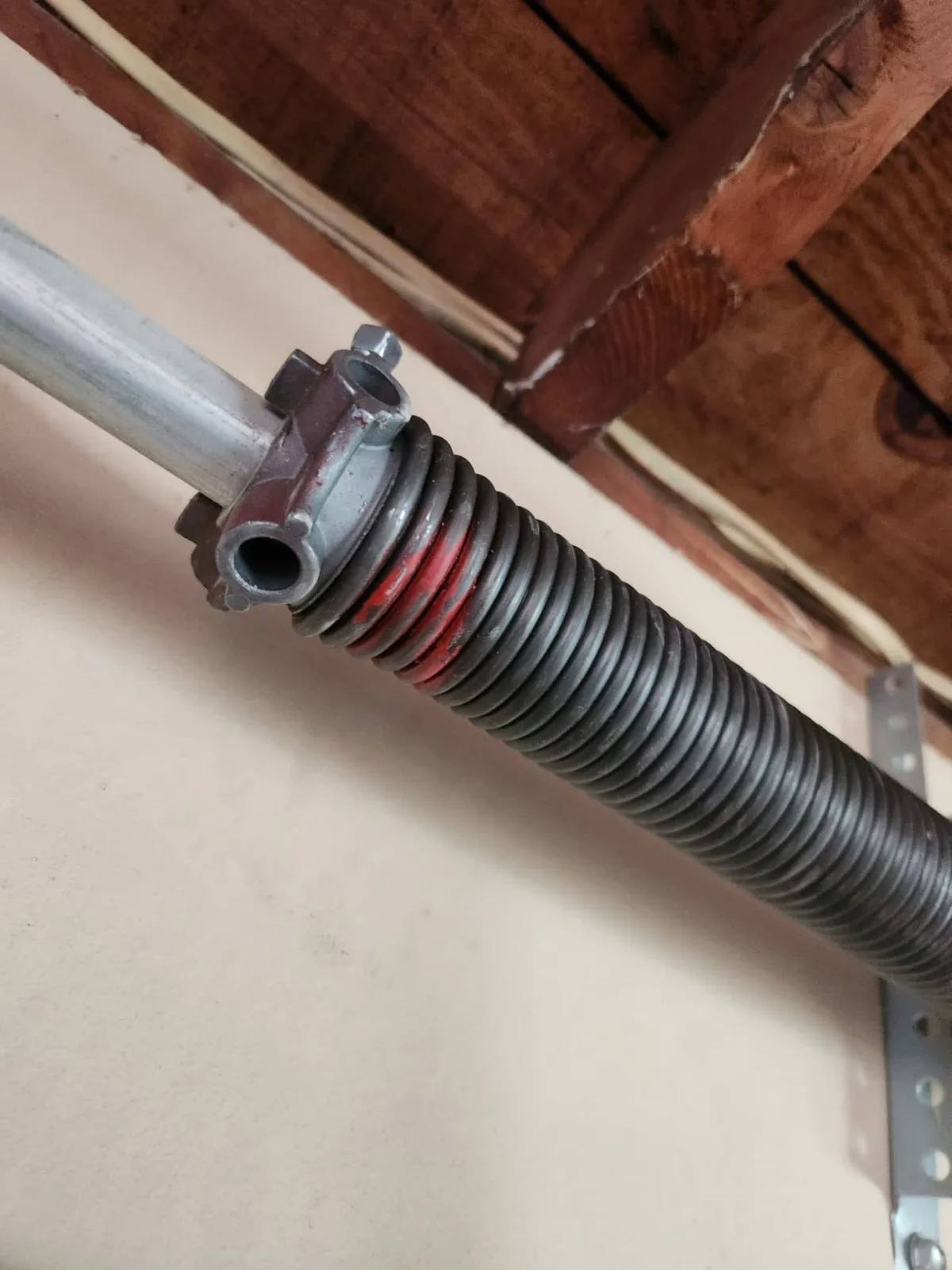
Not all garage door springs are built the same, and knowing which type yours has can save you time and money when something goes wrong. Most homes use either torsion springs, mounted on a bar directly above the closed door, or extension springs, running along the upper tracks on either side. Telling them apart takes less than a minute, and it matters because the two types fail differently, cost differently to replace, and hold up differently to Tarzana's hot, dry summers.
What Is a Torsion Spring?
A torsion spring sits on a metal shaft centered above the garage door opening, usually with a cable drum on each end. Instead of stretching, it works by twisting — winding up tightly to store energy, then slowly unwinding to lift the door with controlled force. Most newer homes and heavier, insulated doors use torsion springs because they offer smoother operation, quieter movement, and generally better durability over time.
What Is an Extension Spring?
Extension springs run horizontally along the upper track on both the left and right sides of the door. They stretch and contract as the door moves, pulling the door open with the help of pulleys. This style is more common in older homes and lighter, single-layer doors. It's a simpler, less expensive setup, but it comes with a bit more visible wear and a slightly higher chance of the spring or a pulley cable snapping over time.
How to Tell Which One You Have
Open your garage and look straight up above the closed door. If you see one or two tightly wound springs on a bar directly overhead, that's torsion. If instead you see long springs stretched out along the tracks on the upper left and right walls, running parallel to the ceiling, that's extension. Most Tarzana homes built or remodeled in the last 20 years have torsion springs, but plenty of older properties still run on the extension setup.
Why It Matters When One Breaks
Torsion springs typically fail with a loud bang and the door becomes too heavy to lift, often sagging unevenly if it's a two-spring system with only one broken. Replacement requires special winding bars and precise tension settings, which is why this is never a DIY job. Extension springs, on the other hand, tend to fail with a visible snap or stretch, and a broken one can cause the door to fall unevenly or, in rare cases without safety cables installed, allow a spring to release with force. Either way, the fix isn't just swapping the broken part — it's making sure the whole system is balanced and safe again.
The type you have also affects repair time and cost. Torsion spring jobs are typically quicker for an experienced technician since the springs are centrally mounted, while extension spring systems sometimes need extra attention to the pulleys, cables, and safety cables running alongside them.
Which Type Lasts Longer in Tarzana's Climate?
Both spring types are rated for a similar number of open-close cycles, generally 10,000-15,000, but torsion springs tend to hold their tension more consistently through our valley's hot summers. Extension springs, with more exposed surface area and moving parts, can see slightly faster wear from heat, dust, and dryness common in Tarzana. If you're replacing extension springs, upgrading to a torsion system is worth asking about, especially if your door sees daily use.
The Bottom Line
Knowing which spring type you have won't fix a broken one, but it helps you understand what a technician is quoting and why. Whether you've got torsion or extension springs, a snapped or failing spring should always be handled by a professional — the tension involved makes this one of the few garage door repairs where DIY simply isn't worth the risk.
If you're not sure which type you have, or you're noticing any signs of wear, give us a call. We'll take a look, tell you exactly what's going on, and get it fixed safely and quickly.