
Noisy Garage Door? Here's What Every Sound Is Telling You
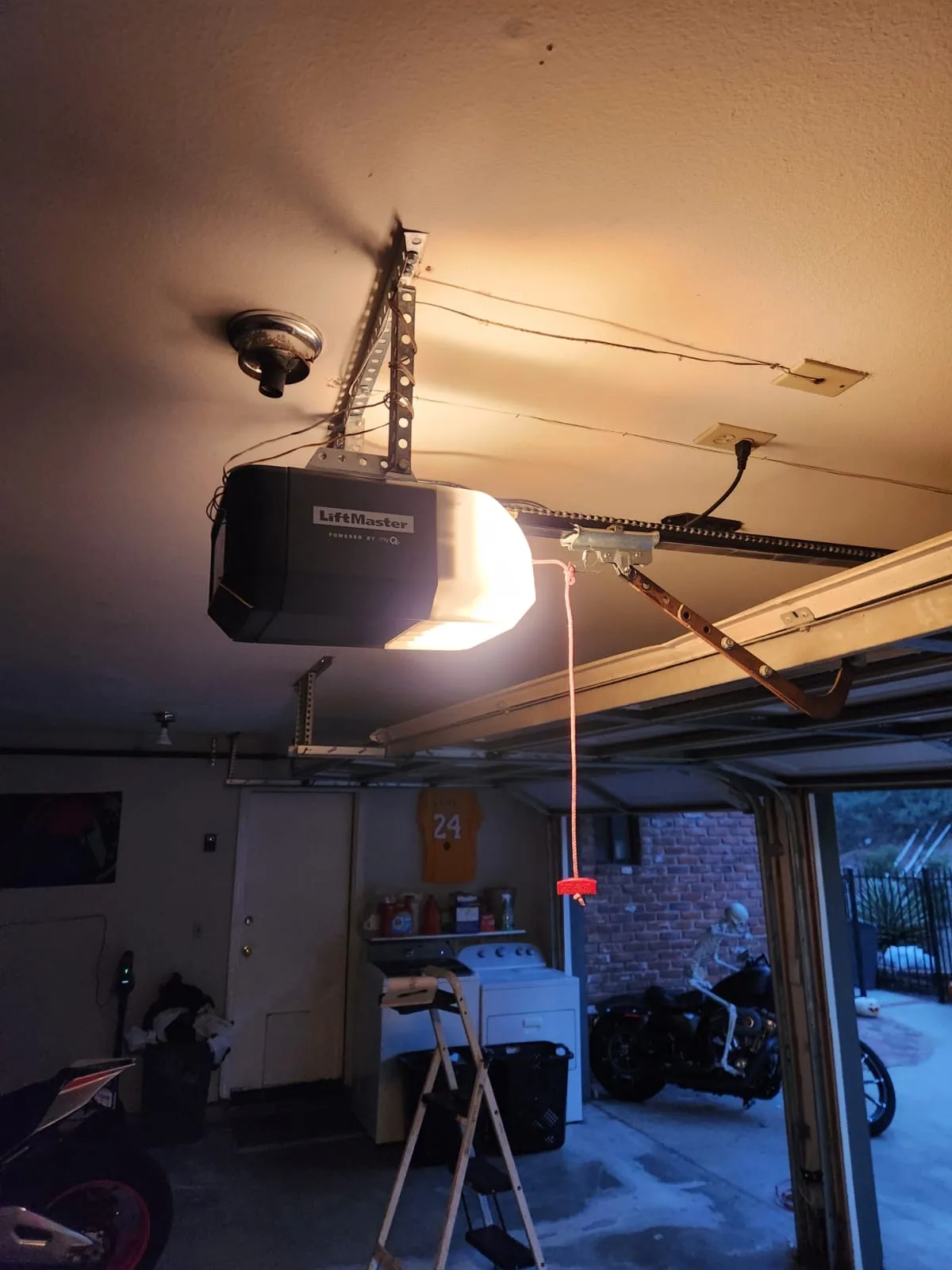
A garage door doesn't have to be silent, but it also shouldn't sound like it's about to fall apart. The good news is that the type of noise your door makes is actually one of the best diagnostic clues you have. Grinding, squeaking, rattling, and banging all point to different problems, some harmless and some urgent. In Tarzana's dry heat and dust, squeaks and grinding tend to show up faster than they would in cooler, more humid climates, since lubricant dries out quicker and hardware collects grit more easily.
Here's a breakdown of the most common garage door sounds, what's usually causing them, and what to do about each one.
Grinding or Scraping
A grinding or metal-on-metal scraping sound as the door moves is often a sign of worn rollers, a track that's bent or out of alignment, or a motor gear inside the opener wearing down. If the noise is coming from along the tracks, check for visible dirt or debris first. If it persists after cleaning, the rollers or track likely need professional attention before they cause the door to jump the track entirely.
Squeaking or Chirping
High-pitched squeaking is usually the most benign noise on this list, typically caused by dry hinges, rollers, or springs that need lubrication. This is worth trying yourself: a silicone-based garage door lubricant applied to the hinges, rollers, and springs often quiets things down within a day. If the squeak continues after lubrication, a hinge or roller may be worn out and need replacing.
Rattling
Rattling, especially during opening or closing, usually points to loose hardware, such as nuts, bolts, or brackets that have vibrated loose over thousands of cycles. This is common on older doors and is usually a quick fix: a technician can tighten everything back down during a routine tune-up. Left unaddressed, loose hardware can eventually lead to bigger issues like a track pulling away from the wall.
A Loud Bang or Pop
This one is not a DIY situation. A sudden, sharp bang almost always means a spring has snapped. If this happens, don't attempt to open or close the door, and call for repair right away. A broken spring means the door has lost its main lifting support and can be dangerous to operate until it's fixed.
Humming Without Movement
If your opener hums or buzzes but the door doesn't move, this usually points to an opener motor issue, a disengaged trolley, or in some cases a failed capacitor inside the unit. This typically requires a technician to diagnose, since the fix ranges from a simple reset to a full opener repair.
Clicking Before the Door Moves
A clicking sound right as you press the remote, followed by the door not moving, often means the safety sensors are misaligned or blocked. Check that both sensors near the bottom of the tracks are clean, facing each other, and free of obstructions. If clicking continues after that check, the issue is likely with the opener's internal relay and worth a professional look.
When to Call a Professional
Squeaking and minor rattling are reasonable to troubleshoot yourself with basic lubrication and a check for loose hardware. But grinding, banging, humming without movement, or any noise paired with the door moving unevenly are signs of a bigger issue that shouldn't be pushed off. Continuing to run a door with these symptoms often turns a simple, affordable fix into a bigger repair down the line.
If your garage door has developed a new noise, give us a call and describe what you're hearing. In many cases we can get a good idea of what's going on before we even arrive, and get it fixed quickly and safely.