
Garage Door Insulation 101: How to Save Energy and Money Year-Round
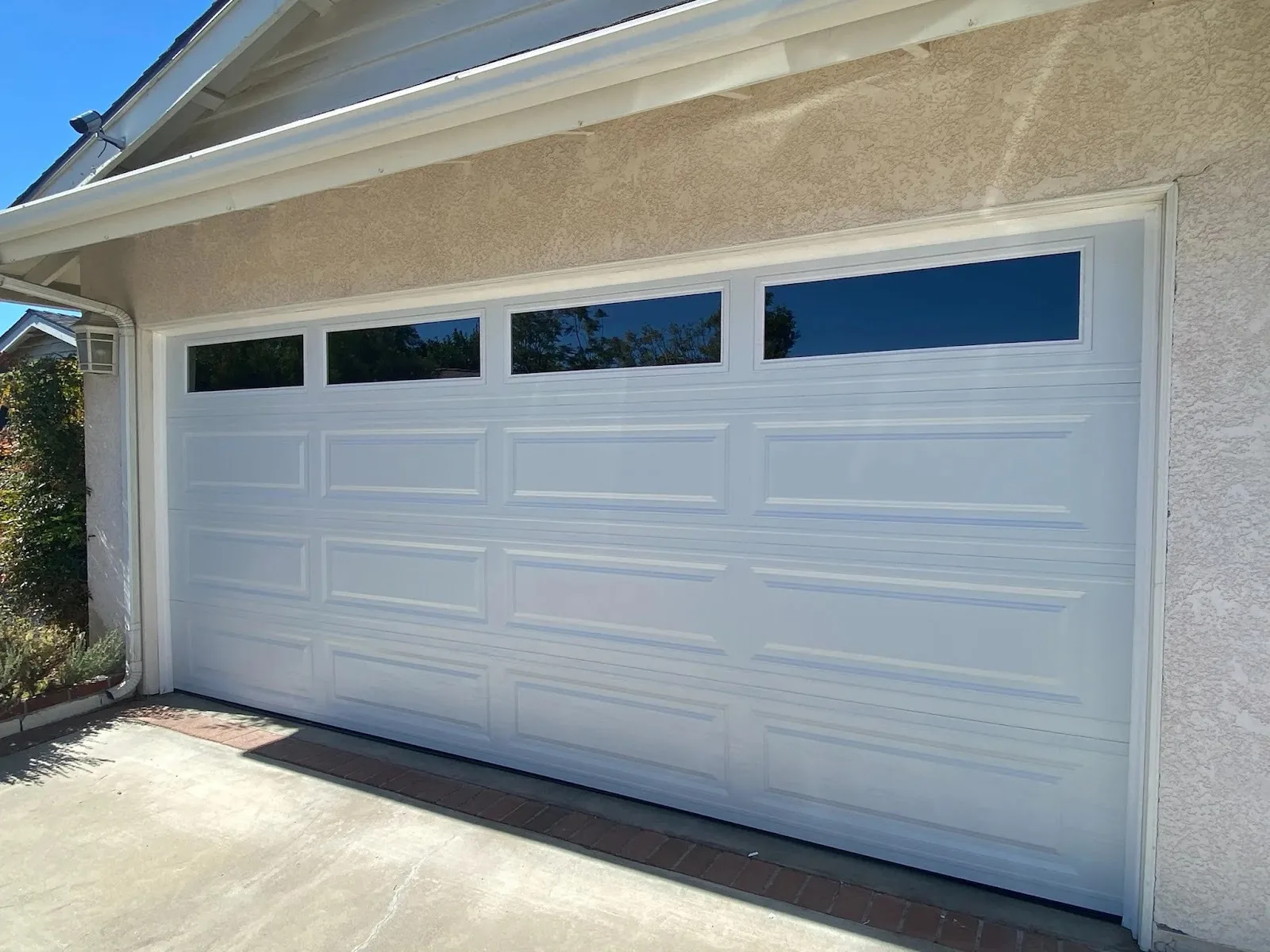
If your garage sits under a bedroom, shares a wall with your living room, or just bakes in the sun all afternoon, an uninsulated garage door is probably costing you more than you realize. Insulation isn't just a comfort upgrade — it directly affects your energy bills, noise levels, and even how long your door's components last.
Why Insulation Matters
A garage door is one of the largest openings in your home's building envelope. Without insulation, heat pours in during summer and escapes during winter, forcing your HVAC system to work harder — especially if you have living space directly above or beside the garage. Insulated doors also run quieter and hold up better structurally, since the added rigidity helps resist dents and warping.
Types of Garage Door Insulation
Polystyrene (EPS) panels: Rigid foam boards inserted into the door's frame. This is an affordable option that offers a moderate R-value improvement and works well for garages that don't need heavy-duty performance.
Polyurethane foam: Injected between the door's steel layers, this foam expands to fill the entire cavity, bonding to the steel for extra strength and a significantly higher R-value than EPS. Most premium insulated doors use this method.
Reflective/radiant barriers: A thin foil layer that reflects radiant heat rather than absorbing it. Often paired with foam insulation for doors facing direct afternoon sun.
Understanding R-Value
R-value measures a material's resistance to heat flow — higher numbers mean better insulation. Standard non-insulated steel doors have essentially no meaningful R-value. Entry-level insulated doors typically start around R-6 to R-9, while premium polyurethane doors can reach R-17 or higher. For garages attached to living space, or used as a workshop, aim for at least R-12.
Signs Your Garage Door Needs Better Insulation
You'll usually notice a few tell-tale signs: a garage that feels noticeably hotter or colder than the rest of the house, higher energy bills without an obvious cause, a door that feels thin or flimsy when tapped, or noise from outside carrying through more than it should. Older steel doors, especially anything installed before the mid-2000s, are the most common candidates.
Upgrading vs. Retrofitting
Some door types can be retrofitted with insulation kits, which is a reasonable budget option for a door that's otherwise in good shape. But retrofits only go so far — they don't match the performance or durability of a door built with insulation from the start. If your door is older or already showing wear, a full insulated replacement is usually the better long-term investment.
Simple Upgrades That Help Right Away
Beyond the door itself, weatherstripping around the perimeter and along the bottom seal makes a real difference and is inexpensive to replace. Sealing gaps around windows or vents in the garage, and adding a threshold seal at the floor, both help keep conditioned air where it belongs.
Getting It Right
The right insulation choice depends on your climate, how the garage is used, and what's above or beside it. We can walk you through the tradeoffs between EPS and polyurethane options, help you pick an appropriate R-value, and make sure the new door is installed with a proper seal — insulation only works as well as the installation behind it.
If you're dealing with high energy bills, a noisy garage, or you're simply ready to upgrade to a better-built door, give us a call for a free estimate.